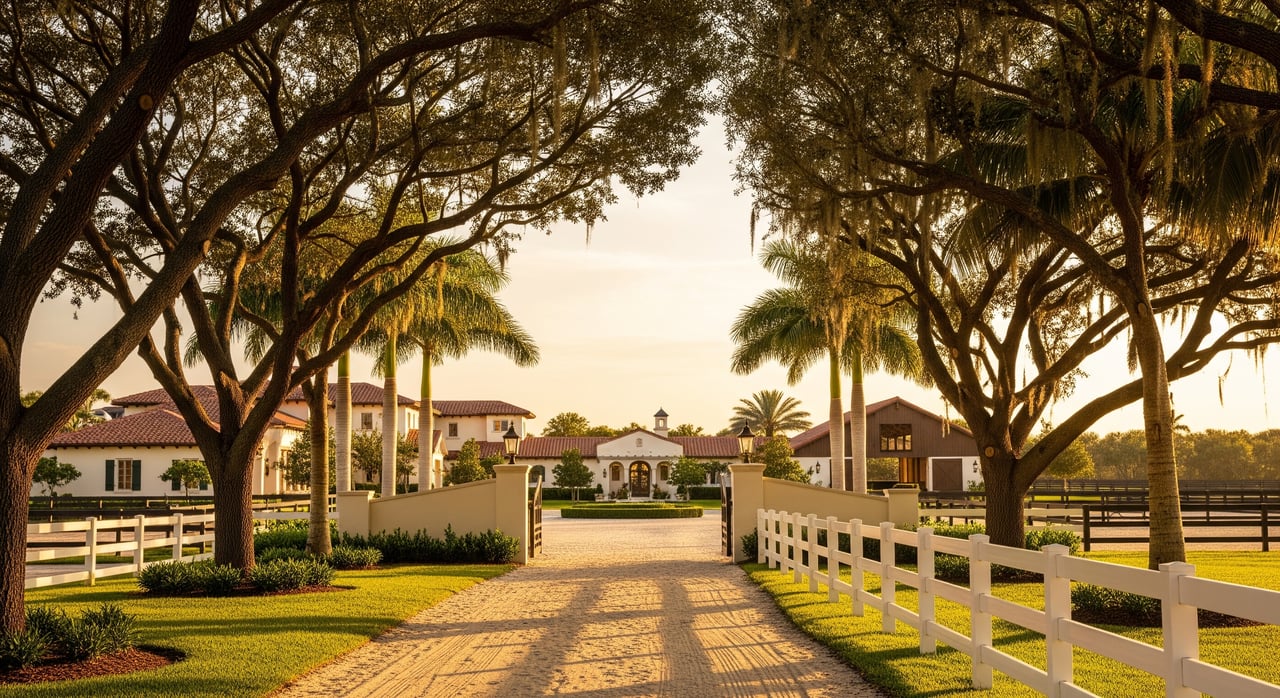
Ever wondered what “bridle-path community” really means when you see a Saddle Trail listing? If you are new to Wellington’s riding culture, those two words can be the difference between an easy morning hack and a daily trailer haul. You want clear, practical guidance before you invest in a property that supports your horses and your schedule. In this guide, you will learn what the bridle-path network actually looks like in Saddle Trail, how to estimate realistic hack times to the Wellington showgrounds, and what to verify before you buy. Let’s dive in.
What “bridle-path community” means here
In the Wellington area, a bridle-path community usually indicates a neighborhood designed to let you travel mounted on nearby trails or easements, often linking to a larger network that reaches training facilities, canal banks, and in some cases, show venues. The paths are not always a single continuous loop. Instead, they form a patchwork of public bridle ways, canal-top trails, recorded easements, and HOA-maintained segments.
Saddle Trail fits that model. Many properties here allow private horsekeeping, with paddocks, small barns, arenas, and cross-fenced turnout in a semi-rural layout. What makes the lifestyle work is the ability to leave your gate and access dedicated paths or wide verges to get where you need to go without relying on busy arterials. Still, the exact access varies by parcel, so careful verification is essential.
How Saddle Trail’s network works
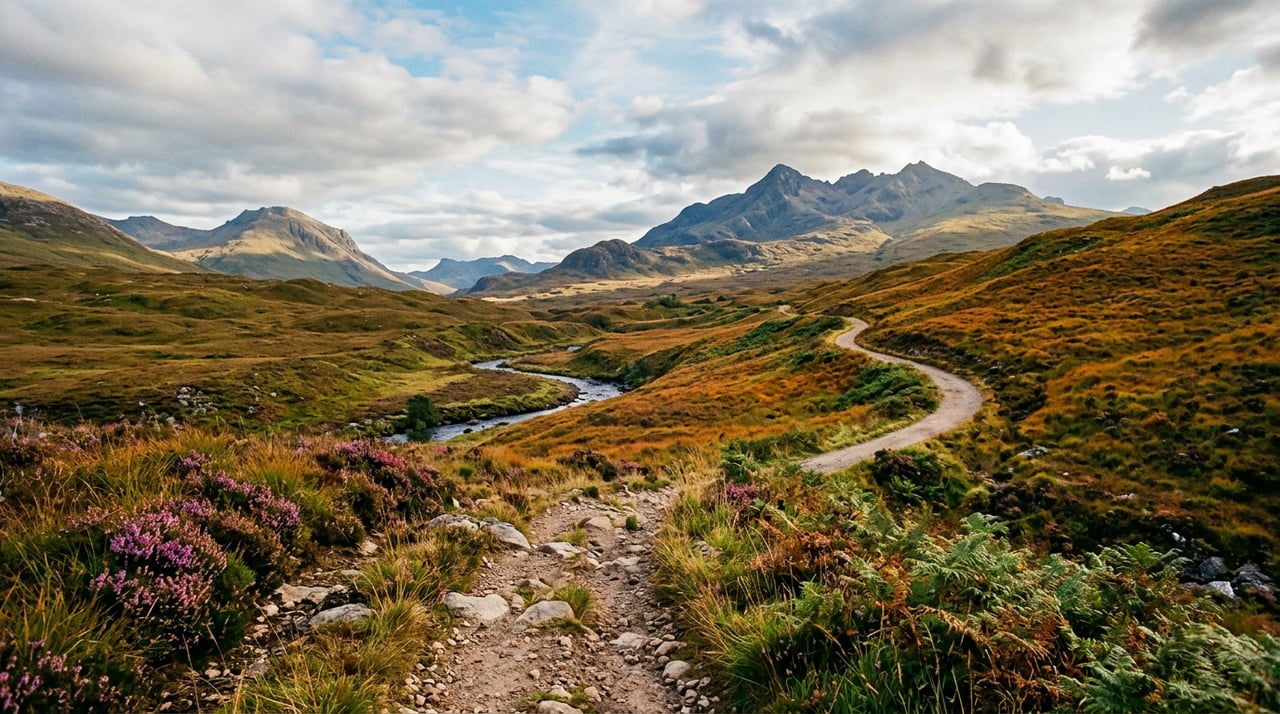
You will see a mix of footing types around the Wellington area: packed-earth bridle ways, grass verges along quieter lanes, and canal-top trails where right-of-way allows. In limited spots, there may be surfaced sidewalks adjacent to riding routes, but most equestrian movement happens on designated trail corridors and canal banks rather than along private backyards.
Signage and safety measures, such as equestrian crossing signs and speed controls, are common near equestrian neighborhoods. Confirm what is posted along your likely route and at any road crossings. After storms or during wet months, maintenance responsibilities matter. Some trail segments are handled by the municipality, while others fall to HOAs or private parties. Usability can change with heavy rain, so ask how specific stretches hold up after weather.
Connectivity is the key question. Saddle Trail riders often link into the wider Wellington bridle-path system, which can provide options to reach training hubs and show facilities. Not every route is uninterrupted. Expect occasional short road crossings or the need to use wide shoulders. Always verify the continuous path from your specific gate to your destination.
To confirm access for a particular property, request recorded plat maps and any bridle-path easements from the title packet or HOA documents. Use official bridle-path maps and local parcel viewers to pinpoint the nearest trailheads and confirm a continuous route. Then do on-the-ground recon. Ride the route at the same time of day you expect to travel to assess footing, drainage, and any busy intersections.
Estimating your hack time
No single number works for every Saddle Trail property. Hack times depend on your exact parcel, route continuity, pace, and conditions. A transparent method helps you set realistic expectations.
- Step 1: Measure the true riding distance along legal bridle paths, canal banks, and permitted shoulders. Avoid shortcuts across private land that are not recorded easements.
- Step 2: Choose a conservative pace based on your horse and the setting.
- Walk: 3 to 4 mph
- Mixed-pace hack: about 4 to 6 mph
- Faster work can reach 6 to 10 mph, but sustained trot or canter is not always appropriate on public routes.
- Step 3: Apply the formula: Time in minutes = (Distance in miles ÷ Speed in mph) × 60.
Quick hack example
- Scenario: A nearby connector or schooling loop
- Distance: 1.0 mile
- Assumed pace: 5 mph mixed hack
- Time: (1.0 ÷ 5) × 60 = 12 minutes
- Note: Short routes often include one low-traffic road crossing or a canal-bank segment. Confirm footing after rain.
Typical commute example
- Scenario: A common route from Saddle Trail to a Wellington training hub or show facility
- Distance: 2.5 miles
- Assumed pace: 4.5 mph mixed hack
- Time: (2.5 ÷ 4.5) × 60 ≈ 33 minutes
- Note: Expect a combination of bridle ways and canal-top paths with at least one controlled crossing. Congestion can add time during show season.
Longer schooling ride example
- Scenario: Indirect route or slower pace with a young horse
- Distance: 5.0 miles
- Assumed pace: 4 mph walk-heavy hack
- Time: (5.0 ÷ 4) × 60 = 75 minutes
- Note: These rides are great for conditioning but require careful planning for shade, heat, and footing.
Variables that change your time
- Route continuity: Missing connectors or private gaps can force detours.
- Footing and drainage: Summer storms can leave soft spots or standing water.
- Crossings and traffic: Busy intersections or event-day traffic slow everything down.
- Horse fitness and tack: A competition-fit horse on a direct line will be quicker than a green horse on a cautious route.
- Event-season congestion: Major shows bring parking and truck traffic that may alter timing.
Daily riding rhythm in Wellington
Wellington runs on a seasonal clock. The winter show season, often December through April, brings an early-morning training cadence and a full slate of events. You will see barns schooling at first light, then rotating through vet and farrier appointments by late morning. Trailer and service traffic is heaviest around show schedules.
Summer is subtropical, hot, and humid, with frequent afternoon thunderstorms. Most riders shift to dawn or evening hacks and keep afternoons for grooming, tack, and rest. Arena drainage and shade become practical priorities. Year-round, the area supports a high concentration of equine professionals, including trainers, ambulatory veterinarians, farriers, and transport services, which adds predictability to care and scheduling.
Operationally, plan for daily realities. Tractor noise, arena maintenance, and occasional trailer movements are part of neighborhood life, especially in-season. Keep parasite control current and account for mosquitoes and biting flies when setting turnout. If you expect to ride off property regularly, build extra time into your day during the busiest show weeks.
What to verify before you buy
Use this checklist while touring Saddle Trail listings so your daily riding life matches your plan.
- Zoning and HOA rules: Confirm permitted number of horses, setbacks, accessory structures, and any limits on boarding for pay.
- Bridle-path easements: Ask for recorded easements and maintenance agreements. Identify whether nearby trails are public, HOA, or private.
- Real route mapping: Trace your ride from the gate to your primary destinations, then test it at your typical ride time.
- Footing and drainage: Inspect on-property turnout and likely trail segments for erosion and standing water.
- Waste and water: Understand wash rack drainage and manure removal schedules in the neighborhood.
- Insurance and liability: Ask about mounted use on local roads and any notification requirements.
- Service access: Verify response times for vets and farriers, and proximity to trainers and tack stores.
- Security and fencing: Check gate locks, perimeter fencing, and whether a loose horse could reach a roadway.
A few smart questions can save you time later. Try these: “Can you show me the recorded bridle-path easement and maintenance agreements serving this property?” “What route do the sellers or neighbors use to reach the showgrounds, and how long does it take?” “Are there times of year when the trail is impassable or when maintenance affects rideability?”
How we help Saddle Trail buyers
Buying into Saddle Trail is about more than square footage and stall count. It is about daily rhythm, safe access, and predictable timing to your trainer or show venue. You deserve a partner who understands both the lifestyle and the technical details behind easements, drainage, and workable riding routes.
At Kirsten Kopp Real Estate, we specialize in lifestyle-driven equestrian properties across Wellington and Palm Beach County. We help you pressure-test trail access, evaluate facility fit, and align your purchase with how you actually ride. If you are planning a move into Saddle Trail or considering a seasonal base near the showgrounds, let’s talk. Request a private consultation with Kirsten Kopp Real Estate, LLC.
FAQs
What is a “bridle-path community” in Wellington?
- A neighborhood with dedicated equestrian paths or easements that connect to a wider riding network, often allowing mounted travel to facilities without relying on busy arterials.
How long does it take to hack from Saddle Trail to Wellington showgrounds?
- It depends on your exact property and route. Typical mixed-pace hacks in the area range from about 15 to 45 minutes for moderate distances, with longer routes taking 30 to 90 minutes or more.
Are Saddle Trail bridle paths public or private?
- The network is a mix. Some segments are municipal, others are HOA maintained, and some depend on recorded easements. Verify each segment along your intended route.
What should I check about zoning and horses per acre?
- Confirm municipal and county rules, plus any HOA or deed restrictions. These determine permitted horse counts, setbacks, and allowed accessory structures.
How does show season affect daily life in Saddle Trail?
- From December through April, mornings start early with schooling, and traffic increases around show times. Expect more truck and trailer activity and plan extra time for crossings.
What is the best way to verify a route before buying?
- Map the ride using official trail resources and recorded easements, then do an on-site test at your usual ride time to check footing, crossings, and congestion.