Do you picture early swims with sand still cool underfoot, or morning coffee where boutiques and cafés are a short, pretty stroll away? If you are torn between oceanfront and in‑town living in Palm Beach, you are not alone. But in some areas of Palm Beach "Proper" you can have it all! Each choice delivers a distinct rhythm, from privacy and beach access to walkability and daily convenience. In this guide, you will learn what each lifestyle really feels like, the ownership details to verify, and a simple checklist to help you decide. Let’s dive in.
Oceanfront vs in‑town: what it means
When people say “oceanfront” on the island, they mean properties along South or North Ocean Boulevard with direct frontage on the Atlantic and the dune line. These can be signature estates or luxury condos and co‑ops. The tradeoff is unmatched beach proximity with a setting that feels more linear and open to beachgoers.
“In‑town” refers to the island’s walkable core around Worth Avenue, Royal Poinciana Plaza, and the Lake Trail corridor. You are close to shops, galleries, and dining, often in mid‑rise condos and co‑ops or historic villas. It is the practical, mixed‑use heart of the island where most errands take less time and the beach is still just a few blocks away.
Lifestyle tradeoffs at a glance
Walkability and errands
If you prize walking to dinner, coffee, or a gallery opening, in‑town shines. Worth Avenue’s Vias and adjacent plazas are designed for strolling, with seasonal programming and guided walking tours that reinforce the pedestrian feel. You still get great outdoor time on the Lake Trail, a favorite for bikes and sunrise walks. Have you seen the famous Kapok tree? For oceanfront stretches, you will enjoy long sand walks and the soundtrack of waves, but your everyday shops are usually a short drive, not on the doorstep. Learn more about the Worth Avenue area’s walkable character through the Association’s historic walking tours.
Dining, shopping, and culture
In‑town is your go‑to for boutique shopping, galleries, and a handful of intimate restaurants. Evenings often mean a simple stroll from your building to a tucked‑away courtyard or café. Oceanfront living brings immediate beach access- sometimes through your own private under ground tunnel under A1A, and proximity to hotel or club amenities, a different kind of convenience with resort services close at hand.
Beach access and privacy
Florida law reserves the beach seaward of the mean high water line for the public, and the Town of Palm Beach maintains marked access points and lifeguard schedules. If you own an oceanfront home, your under ground tunnel to the beach, yard and dune crossover are private, but wet sand and the waterline are public zones. This shapes how private your shoreline feels in practice. You can review public beach hours and rules in the Town’s beach FAQ.
Architecture and historic character
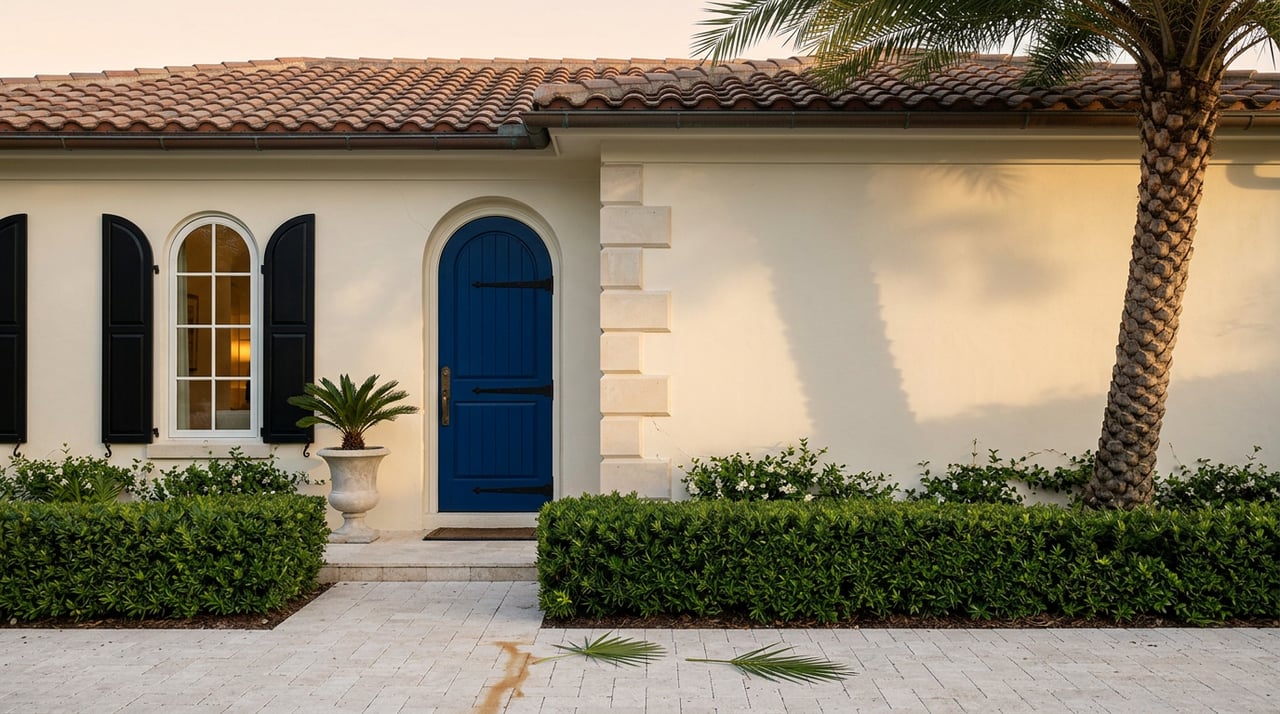
In‑town architecture often leans Mediterranean Revival and “Mizner‑era” charm, with courtyards, arches, and lush details. Along the ocean you will find a mix of storied mansions and new modern builds that take full advantage of views. Across the island, design standards and preservation guidelines influence what you can remodel, so plan to consult association rules and the Town early in your process.
Seasonal rhythm
Palm Beach has a distinct winter season from roughly December through April. In‑town, that means more events, fuller dinner reservations, and extra energy on the sidewalks. Off‑season brings a quieter pace, reduced hours at some businesses, and hotter weather. If you are deciding between lifestyles, try to visit during both a peak week and a slower stretch. The Worth Avenue Association’s programming and tours reflect this seasonality.
Ownership realities to check early
Market context and pricing swings
Palm Beach is an ultra‑high‑end market where a few trophy sales can swing statistics. Recent local reports for late 2025 showed strength in single‑family waterfront and some softening in certain condo pockets, a reminder that medians can be misleading on the island. For clarity, look at closed sales on the block or building you want and track quarterly context in resources like the Coastal Palm Beaches & Barrier Islands Market Report for 4Q 2024. Always time‑stamp any price reference you use.
Insurance costs and coverage types
South Florida’s insurance landscape has been elevated in cost, and coastal properties can be more expensive to insure. State reforms have added some stability, with filings that indicate improving trends, but you still need live quotes for wind, flood, and full replacement coverage for the exact address. For state‑level context on market changes, review updates from the Florida Office of Insurance Regulation’s recent insurance relief and stability news. Then have your insurer model options specific to the home you are buying.
Flood zones, elevation, and coastal risk
Flood risk is property specific. Before you fall in love, pull the FEMA panel for the parcel and confirm elevation with your inspector or surveyor. Start with FEMA’s official Flood Map Service Center. For longer‑term sea level planning, NOAA’s Sea Level Rise Viewer provides helpful scenarios, and local tide stations show measured change over time. The Town and County also run ongoing beach renourishment and dune projects, which can temporarily affect access or parking during construction. Ask about active work near your block when you schedule showings.
Condos, inspections, and reserves
If you are eyeing an in‑town condo or co‑op, verify the building’s milestone structural inspection status and structural integrity reserve study. Post‑Surfside reforms require phased inspections and reserve funding that, in some buildings, have led to special assessments or tighter budgets. Request engineering reports, the most recent study, and association minutes. For an owner‑friendly overview of these laws, see this summary of Florida condominium rules after Surfside.
Rules, rentals, and assessments
Many buildings on the island maintain clear bylaws on rentals, guests, renovations, and deposits. You should review the full association package early. Ask for any recent or pending special assessments and the reserve funding plan so you understand the true monthly cost.
Taxes and municipal costs
Your annual property tax depends on the county and municipal millage applied to your parcel, plus any exemptions. Use the Palm Beach County Property Appraiser’s tools to estimate taxes for a given address and to review the current tax roll. You can access the county’s resources here: Palm Beach County Property Appraiser.
Parking, permits, and bridge logistics
Palm Beach manages on‑island parking with permits and timed or paid on‑street zones. If you plan regular errands by car, read the Town’s rules and resident permit programs found under Parking Services. The island connects to West Palm Beach via a handful of movable bridges, and scheduled openings can add minutes at peak times, especially in season. Before a stacked day of showings or errands, check current notices on bridge opening schedules.
Which lifestyle fits you? A quick checklist
Start by ranking your top three non‑negotiables. Here is a simple way to translate that into a decision.
-
Rank your priorities from 1 to 3:
- Immediate beach access and view
- Walkability to dining, shops, and galleries
- Privacy and setback from public activity
-
If you ranked “beach and view” first: focus your search on oceanfront, and confirm privacy expectations during peak beach hours and holidays.
-
If “walkability” tops your list: target in‑town buildings and streets where sidewalks and arcades shorten daily errands.
-
If privacy matters most: evaluate lot size, setback, landscaping, building orientation, and, for condos, elevator count and floor‑plan separation.
Must‑ask items for every showing:
- Flood zone, elevation, and FEMA panel for the parcel. Use FEMA’s Flood Map Service Center.
- For condos or co‑ops, the building’s milestone inspection status and structural integrity reserve study, plus recent minutes and budgets. See an overview of the post‑Surfside rules.
- Live insurance quotes for wind, flood, and replacement coverage. For statewide context, review OIR’s recent insurance market updates.
- Recent comparable sales on the same block or in the same line or stack for condos. For quarterly trends, consult the 4Q 2024 coastal market report.
- Town logistics that affect daily life: parking permits and rules and any planned coastal work near your beach access.
- Bridge timing if you expect frequent trips to West Palm Beach. Check current bridge notices and schedules before tight itineraries.
- Seasonality test: visit in peak season and off‑season, ideally over at least one weekend. Worth Avenue’s walking tour calendar is a good indicator of seasonal flow.
How we help you choose with confidence
This decision is about more than a view or a ZIP code. It is about how you want to live, host, relax, and move through your day. As a boutique, founder‑led brokerage, we bring lifestyle insight and technical clarity to every Palm Beach search. Our team previews properties, curates off‑market opportunities when available, and plans side‑by‑side tours so you can compare oceanfront mornings to in‑town evenings in one visit. We coordinate due diligence early, from insurance quotes and flood panels to association packages and inspection timelines, so surprises do not derail your move or your season.
Whether you are relocating, seeking a second home, or building a seasonal plan across Wellington and the coast, you deserve a clear, honest read on what each option delivers. Ready to explore both lifestyles with a trusted advisor? Request a private consultation with Kirsten Kopp Real Estate, LLC.
FAQs
What does “in‑town” Palm Beach include?
- In‑town refers to the walkable core around Worth Avenue, Royal Poinciana Plaza, and nearby residential blocks with close access to shops, restaurants, galleries, and the Lake Trail.
Is the beach in front of oceanfront homes private?
- The yard and dune crossover can be private, but the wet sand and waterline seaward of the mean high water line are public, with Town‑maintained access points and hours.
How does seasonality affect living in‑town vs oceanfront?
- December through April brings more events, traffic, and energy in the in‑town core, while off‑season is quieter. Oceanfront beaches also see busier days in season and on holidays.
Are condo buyers facing new inspections or assessments?
- Many multi‑story condos and co‑ops must complete milestone structural inspections and maintain structural integrity reserves. Some buildings increased reserves or levied assessments.
What should I check for flood and insurance risk?
- Pull the FEMA flood map for the specific parcel, ask for elevation data, and get live quotes for wind and flood coverage. Consider long‑term sea level scenarios when comparing homes.
Will my Palm Beach property taxes change if I homestead?
- Taxes are based on county and municipal millage for your parcel. If you establish the home as a primary residence, review eligibility and calculations using county appraiser tools.