If you’ve been anywhere near Wellington this season, you’ve probably felt it: WEF has leveled up.
The Winter Equestrian Festival has never been shy about ambition, but this year’s changes are more than cosmetic. They’re structural, financial, and long-term—signals that Wellington International is doubling down on its position as the global center of show jumping.
To separate rumor from reality, we turned to someone who sees WEF from the inside out: Liliana Rivera Gamarra, FEI Jump Judge and equestrian real estate specialist with Kirsten Kopp Real Estate. When Liliana talks about the horse show, it’s not from the sidelines—she’s in the ring, the judges box, in the barns, and deeply embedded in the Wellington equestrian community.
Here’s what she’s seeing this season—and why it matters far beyond the showgrounds.
Prize Money Is Up—Way Up
Let’s start with the headline everyone notices first: money talks, and this year it’s speaking very loudly.
According to Liliana, prize money has increased across several major divisions:
-
All Junior/Amateur Classics over 1.25m are now $15,000, up from $10,000
-
All qualifying WEF classes for 4★ weeks have jumped to $116,000, up from $62,000
-
The Rolex Grand Prix Finale now boasts a staggering $1 million purse, up from $750,000
This isn’t just good news for top professionals. Increased prize money attracts deeper fields, higher-quality horses, and more international competitors—raising the overall caliber of the season.
And yes, that ripple effect reaches straight into the Wellington real estate market.
Major Ground Upgrades: Footing, Paths, and Stalls
WEF didn’t stop at prize money. The physical improvements this season are substantial—and very noticeable to competitors.
Liliana points to several key upgrades:
-
Entirely new footing in competition rings
-
Rubberized, all-weather horse paths throughout the venue
-
New stalls in both FEI barns and national permanent stabling
These aren’t cosmetic changes. They directly impact horse welfare, performance consistency, and day-to-day logistics for riders, grooms, and owners.
In short: the show is easier to compete at, safer to operate within, and far more professional behind the scenes.
Improved Stabling Across the Board
Stabling has been a recurring topic in Wellington for years—and this season marks real progress.
-
FEI stabling has seen improvements to stalls, footing, and pathways
-
National stabling has also been upgraded
-
Overall flow and durability are noticeably better
For competitors staying the full circuit, these changes matter. And for owners considering buying property nearby to stable and train at home? They reinforce Wellington’s long-term commitment to being a world-class base, not just a seasonal venue.
Competition Layout: Steady—for Now
One thing that hasn’t changed yet is where different competition levels are held.
For now, Liliana notes that the organization of divisions around the grounds remains consistent with previous seasons. That stability is often appreciated by professionals who already know how to navigate the venue efficiently.
South Wellington Expansion: Big Things Coming
While traffic flow in South Wellington hasn’t changed yet, the future is clearly taking shape.
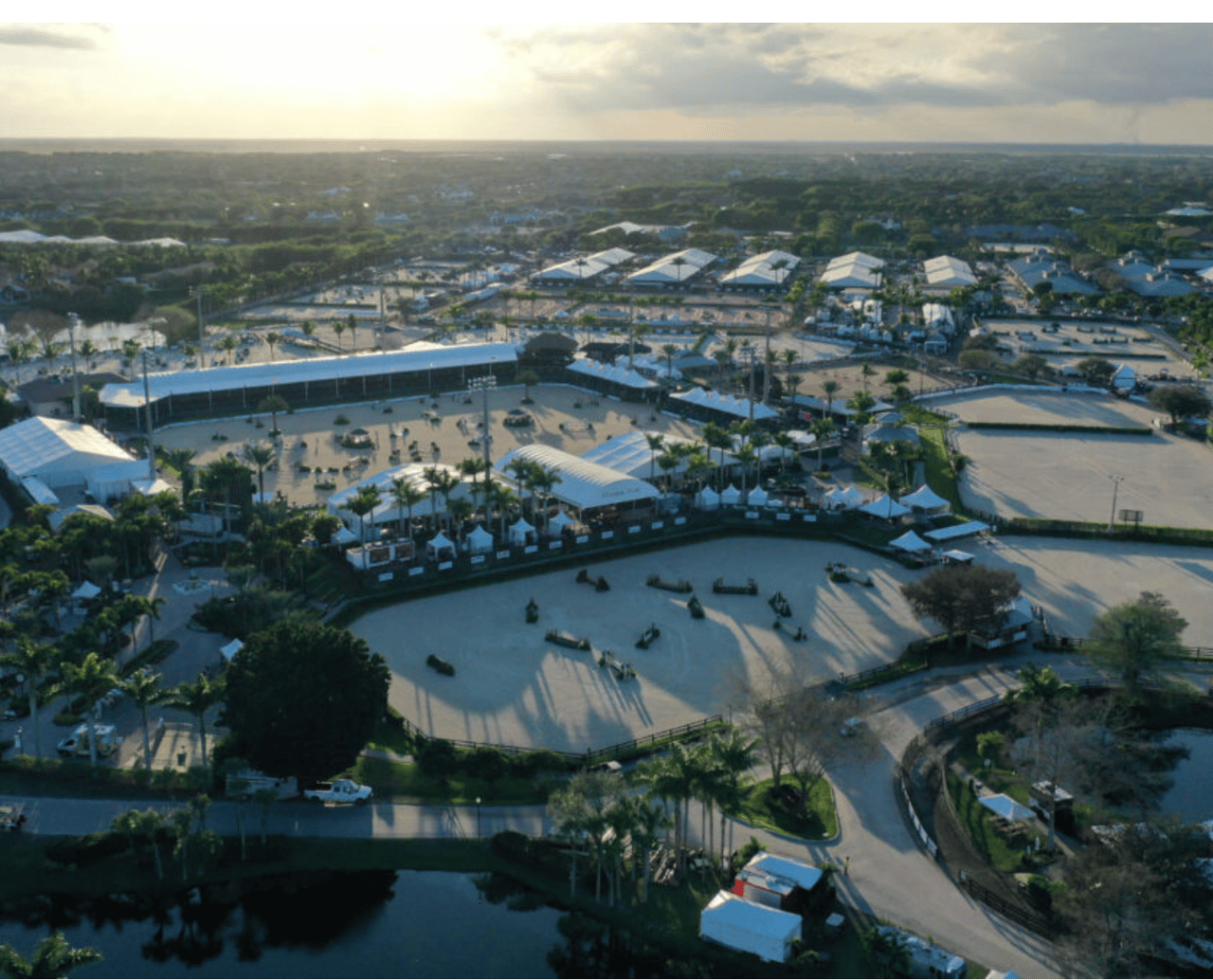
The South Extension of Wellington International is underway, and major milestones have already been reached:
-
The largest covered ring in the state of Florida is now complete
-
The new Derby Field has been finished
-
Additional expansion and infrastructure work is actively ongoing
This kind of investment signals permanence—and permanence drives property values.
As Liliana notes, while traffic patterns haven’t shifted yet, these developments will inevitably increase demand for nearby farms, training facilities, and equestrian-friendly residences.
What This Means for Equestrian Real Estate in Wellington
When Wellington International invests at this level, the impact goes far beyond the show season.
Higher prize money, improved facilities, and large-scale expansion all reinforce Wellington’s position as a year-round equestrian hub, not just a winter destination. That translates directly into:
-
Increased demand for farms, barns, and training properties
-
Strong interest from international buyers
-
Continued pressure on inventory near showgrounds and the South End
-
Long-term value growth in well-located equestrian properties
This is exactly where expertise matters.
Why Local Insight Matters
As both an FEI Jump Judge and an equestrian real estate specialist, Liliana Rivera Gamarra brings a rare dual perspective: she understands the competitive realities of WEF and how those realities shape buying decisions.
When paired with Kirsten Kopp Real Estate’s deep market knowledge in Wellington, Loxahatchee, and surrounding equestrian communities, clients gain insight that goes well beyond price per acre.
They gain context.
Thinking of Buying or Selling Near Wellington International?
Whether you’re planning to compete next season, expand your operation, or invest in Wellington’s equestrian future, understanding what’s happening at WEF isn’t optional—it’s essential.
And this season, the message is clear: Wellington International isn’t just improving. It’s committing.
For expert guidance rooted in real experience—both in the ring and on the ground—Kirsten Kopp Real Estate and Liliana Rivera Gamarra are here to help.

Liliana Rivera Gamarra, FEI Showjumping Judge, and Real Estate Agent