The sun drops low over the 4,000-foot runway, and for a few minutes the taxiways go quiet. Neighbors drift toward the clubhouse with a glass in hand, not because a plane is landing, but because it's Sunday. Someone's Cessna sits fueled and ready two doors down. Nobody's talking about it tonight.
That weekly gathering has a name inside Wellington Aero Club: Sunday Sundown, a toast to the end of the day that the clubhouse hosts as one of its most consistent traditions, according to a 2025 AOPA feature on the community. It sounds like a small detail. It's actually the thing that separates this airpark from every other one in Florida.
Most private airparks are built around a single piece of infrastructure and stop there. A runway, a row of hangars, maybe a fuel pump. The social contract is implicit: come for the flying, keep to yourself otherwise. Wellington Aero Club was built the same way, on paper. Roughly 250 one-acre home sites border a lighted, paved runway that accommodates light jets, with an on-site Avgas and Jetfuel station, an AWOS weather system, and PAPI lights guiding approaches after dark. That's a serious piece of aviation infrastructure sitting in a residential neighborhood. What the paperwork doesn't capture is that this particular airpark also runs a functioning social calendar, one that has nothing to do with airplanes at all.
The House Itself Assumes You Have Two Hobbies
Walk the streets here and the architecture tells you something before anyone speaks. Every estate home sits on a lot built to hold two completely different lives at once. Doug Matthews, treasurer of the community's homeowners' association and a resident of ten years, put it plainly to AOPA:
"You've got your garage attached to your house on one side with your automobiles and your hangar on the other side with your airplanes. Gosh, it's just great."
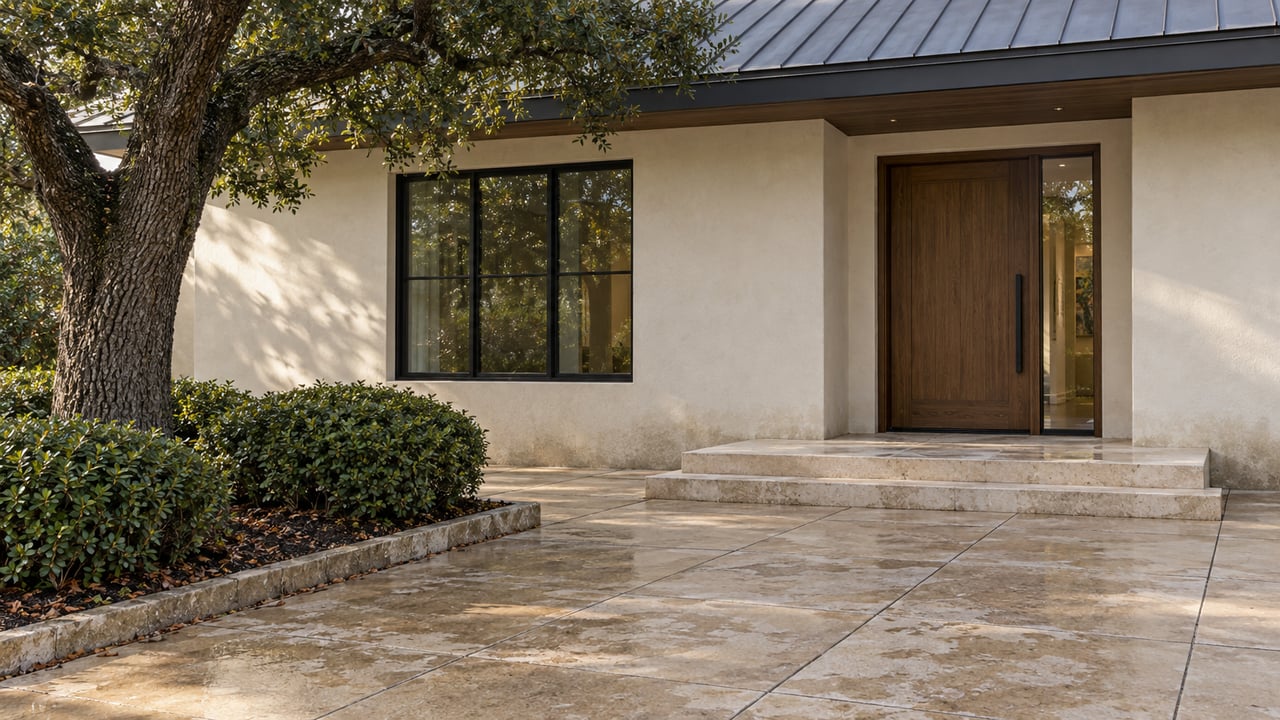
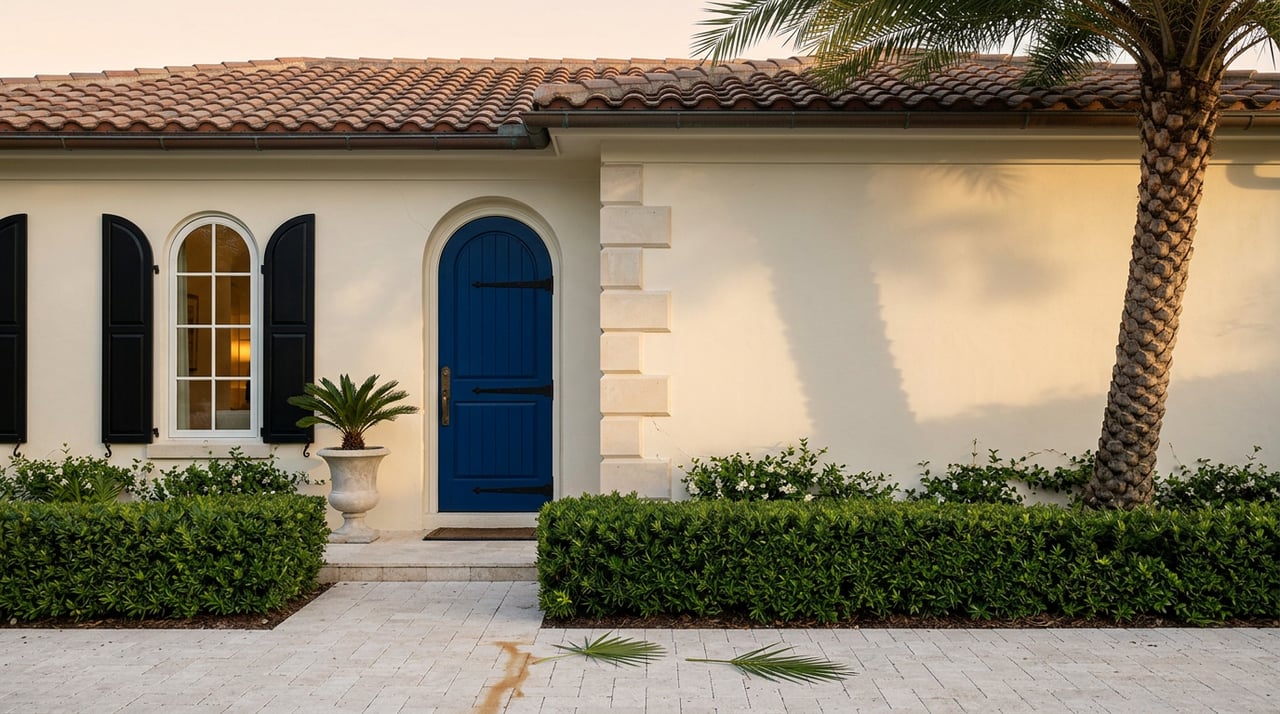
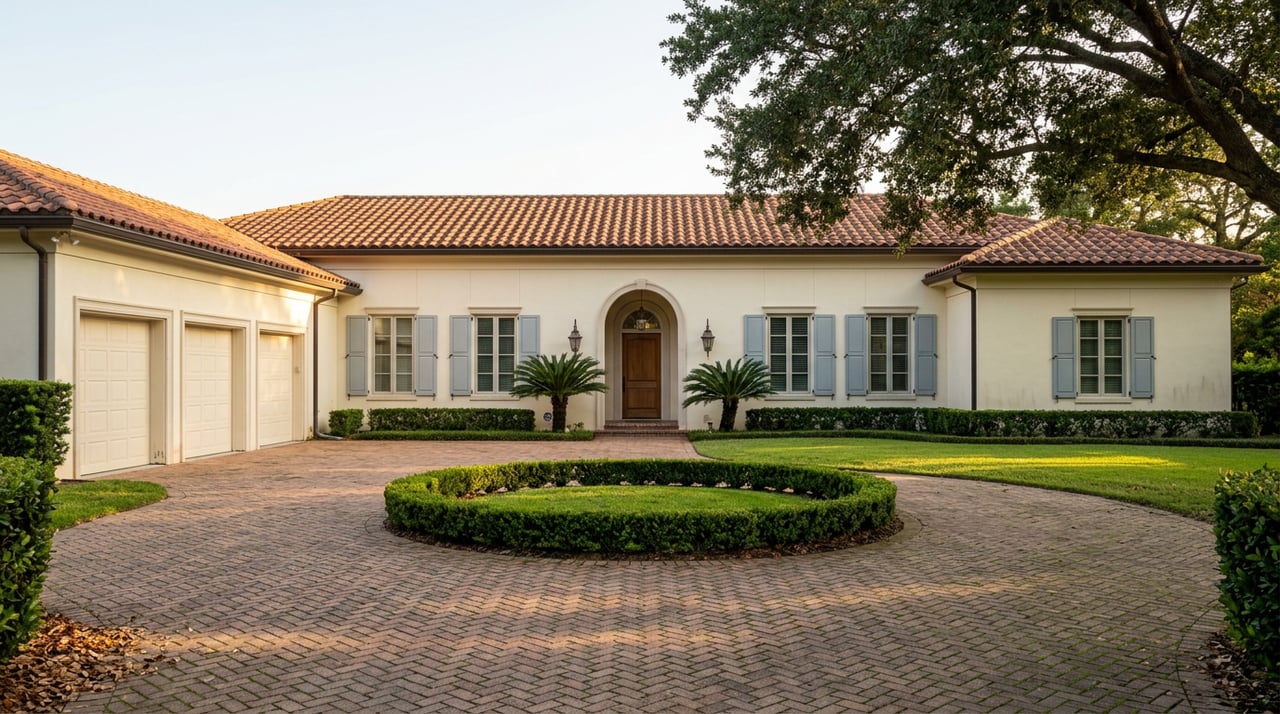
Matthews used the plural on purpose. Most owners here keep several aircraft in their hangars, alongside cars and whatever else counts as a collection. The Mediterranean and Key West-style homes sit directly along the paved runway or grass taxiways, which means the built environment isn't just accommodating a hobby. It's assuming a household organized around two parallel garages, one for wheels and one for wings.
That kind of layout could just as easily produce a street of isolated enthusiasts, each one taxiing in and out without ever meeting a neighbor. It's the clubhouse calendar that keeps that from happening. Yoga classes, holiday parties, and the Sunday toast give residents a reason to cross the street that has nothing to do with maintenance schedules or weather windows.
What A Purely Functional Airpark Skips
It helps to see the gap in plain terms. Here's what a bare-bones airpark typically offers against what actually exists inside Wellington Aero Club:
| Feature | Typical Utility Airpark | Wellington Aero Club |
|---|---|---|
| Runway access | Yes, functional only | 4,000-foot lighted, paved runway |
| Fuel | Sometimes, self-serve | On-site Avgas and Jetfuel station |
| Weather instrumentation | Rare | AWOS and PAPI lights |
| Recurring social events | None | Sunday Sundown, yoga classes, holiday parties |
| Walkable green space | None | Three Village of Wellington pocket parks, plus a dog park just outside the gates |
| Nearby club life | None | Golf cart ride to The Wanderers Club for dining, golf, tennis, and pickleball |
The right column is the part that doesn't show up in an aircraft insurance filing or an HOA bylaw. It's also the part that determines whether a Tuesday evening here feels like living on an airfield or living in a neighborhood that happens to have a runway running through the middle of it.
Street Names That Do More Than Decorate
Aviation identity here isn't confined to the hangars. It's baked into the addresses. Lindbergh Lane is one of the actual street names inside the community, a small detail AOPA singled out as evidence of how thoroughly the aviation theme runs through daily life, not just the amenity list.
The geography around the community reinforces the same split personality the houses have. To the west sits a nature preserve where alligators are part of the wildlife, a quiet, undeveloped edge. To the east is a resort community distinctive enough to carry its own cultural nickname, The Palm Beaches, home to a sitting U.S. president's residence. Wellington Aero Club sits between those two worlds, close enough to touch both without belonging entirely to either.
Inside the community's own borders, that same in-between quality shows up again. It sits a short golf cart ride from The Wanderers Club, with its dining room, championship golf course, and tennis and pickleball courts, and it's roughly a mile from Wellington International, home of the Winter Equestrian Festival and its Saturday night entertainment running from fall through spring. A resident doesn't need to own a horse or hold a golf membership to have both of those calendars quietly shaping the neighborhood's rhythm every week.
The Season You Inherit Without Asking For It
This is where the aviation-first framing of the community starts to feel incomplete. From roughly October through the following spring, Wellington's equestrian calendar picks up, and the showgrounds a mile away start hosting Saturday night events built around competition and entertainment. Aero Club residents don't need a stable or a show jumping background to feel that season arrive. Traffic patterns shift. Restaurant tables fill up earlier. The golf cart paths toward Wanderers Club and the showgrounds see more use.
None of that requires flying anywhere. It's simply what happens when a 250-home aviation community sits a mile from one of the longest-running internationally ranked horse shows in the world. The runway gives residents a reason to leave for the Bahamas on a Saturday morning. The showgrounds give them a reason to stay home that same evening. Both calendars run at once, and most weeks, a resident ends up participating in each without ever making a conscious choice between them.
Why This Matters More Than It Sounds
None of this changes what Wellington Aero Club is on paper: a private, one-acre-per-home airpark with a working runway and a homeowners' association that manages aircraft registration and insurance filings. What it changes is the assumption that a community organized around a runway has to feel like one. The Sunday Sundown toast, the yoga class at the clubhouse, the holiday parties, the pocket parks and dog park just past the gate, all of it exists because residents built a second layer of life on top of the aviation infrastructure rather than settling for the infrastructure alone.
That's the part worth knowing if you already live here and have never quite put a name to why this street feels different from a typical airpark. It isn't the jets. It's the toast at sundown, the yoga mats in the clubhouse on a Tuesday, and the fact that your neighbor's garage holds a car on one side and something with wings on the other, and somehow that arrangement produced an actual neighborhood instead of a row of private airstrips that happen to share a fence line.
If you're curious how that layered lifestyle plays out in the resale market, or you're weighing whether your own hangar setup still matches how you fly today, Kirsten Kopp Real Estate works this niche daily and can walk you through what's changing on the ground here. Request a private consultation whenever you're ready to talk specifics.