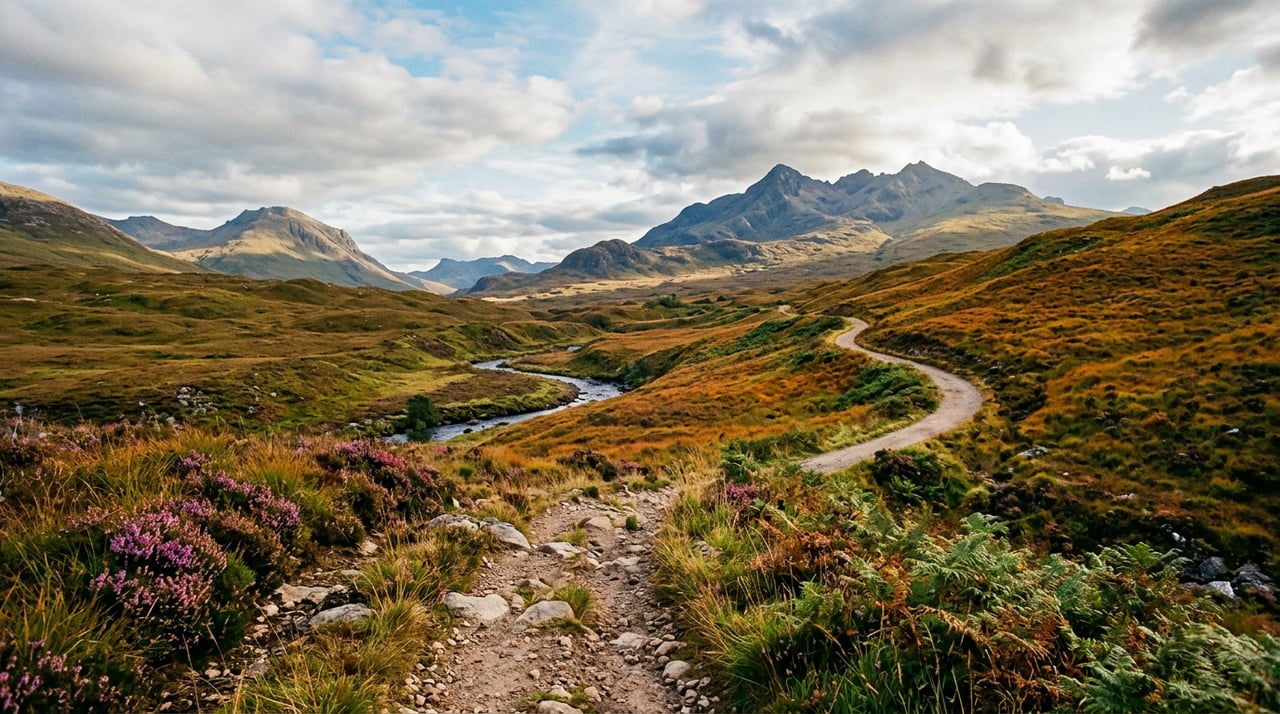
By the third week of September, the stretch of Brown Trail that runs along Sugar Pond has already done what it does every hurricane season: turned from packed footing into standing water after a hard rain, then dried back to rideable ground a day or two later. Anyone who has kept a horse in Paddock Park for more than one wet season knows this rhythm well enough to plan around it without thinking. What most riders here don't know yet is that Wellington has a fix in motion, and the way it's funded means the fix could easily miss this rainy season entirely and land in the next one instead.
That's not a complaint about village bureaucracy. It's a fact about timing that changes what you should expect from this particular piece of trail between now and next spring.
What the Village Actually Approved
Wellington's Equestrian Preserve Committee, the seven-member advisory board made up of residents who live in the Equestrian Preserve Area or work in equestrian businesses, has been working through a multi-year bridle trail capital plan since early this year. At its April 9, 2026 meeting, staff confirmed that the Brown Trail in Paddock Park had full consultant plans in village review, with procurement expected to move forward the following month.
In its account of the May 6 meeting, Citizen Portal put a number on the project: a $750,000 restoration near Sugar Pond. Staff said they'd apply for a $450,000 Recreational Trails Program grant from the state, which would cut Wellington's share to roughly $300,000. The scope covers four specific fixes:
- A new 12-foot bridle trail with a grass riding surface
- Regrading and stabilizing the corridor itself
- Upgraded swales and culverts to actually move water off the trail
- Restoration of disturbed ground with sod and erosion control
That last group of items, the swales and culverts, is the part that matters most if you've ridden this section after a storm. Grading and grass are cosmetic next to drainage. Drainage is the actual problem.
The Part That Doesn't Get Said Out Loud on Nextdoor
Staff described the trail's current condition plainly at the May meeting: it's usable now but suffers from drainage that can make it unusable after storms. That's the village's own characterization, not a resident's complaint, and it's worth sitting with because it means the project isn't fixing a trail that's broken. It's fixing a trail that works fine on a dry week and fails on a wet one, which describes most of Palm Beach County's rainy season and, not coincidentally, most of the calendar between June and November.
Here's where the timing gets interesting. Staff told the committee the work would take 90 to 120 days and would be scheduled off-season, specifically to avoid disrupting equestrian events. That's a reasonable instinct. Nobody wants trail crews and heavy equipment near Sugar Pond in January when Wellington International is at full capacity. But off-season for competitions and off-season for weather are two different calendars in South Florida. The show season runs January through March. Hurricane season runs June through November. A construction window built to protect the show calendar has nothing to do with protecting the trail from the exact conditions it's being repaired to withstand.
Then there's the grant. Committee members asked directly what happens if Wellington pauses construction while waiting on the state's decision. Staff's answer was straightforward: pausing would likely push construction to the following year, though it wouldn't necessarily hurt the grant's chances. Read plainly, that means the project's own funding strategy carries a real risk of sliding the fix past this rainy season and into 2027, which would mean two more wet seasons on a trail the village itself says gets unusable after storms.
None of this is a criticism of the process. Grant-funded infrastructure works this way everywhere, and cutting Wellington's cost from $750,000 to roughly $300,000 is worth a delay if the state comes through. But if you're planning your own hacking schedule out of Paddock Park through the rest of this year, the honest read is: assume the Brown Trail behaves the way it always has after a storm, and don't count on the fix landing before the ground dries out on its own this fall.
One Trail Among Many
It helps to keep this in proportion. Wellington has maintained more than 100 miles of public and private bridle trails since 1999, a network of roadway easements, canal-top paths, and dedicated bridle corridors that the village funds and improves through its capital plan every year. The Brown Trail restoration is one project in a longer list that also includes work on the Pearson Road crossing, footing improvements on the White Trail north of the C-24 canal, and a reopening effort on a blocked section near the National Polo Center. Paddock Park riders aren't stranded if this one stretch stays soft for another season. There are other ways to reach the showgrounds and other trainers' barns without crossing that low ground near Sugar Pond, and most riders who've been out here a while already have a mental map of which route to take when the Brown Trail isn't cooperating.
Where the Ride Actually Ends
The other constant in Paddock Park's daily rhythm has nothing to do with drainage. After a morning out on the trails, or after a wet week keeps everyone closer to the barn, the same handful of places tend to fill up.
JoJo's Raw Bar & Grill on Wellington Trace has earned a reputation locals describe as "Wellington's Cheers," the kind of spot where regulars get greeted by name and the bartender already knows the order. The wings and the oysters on the half shell get mentioned most often, along with a Sunday night steak grill-out and a Saturday lobster special popular enough that people call ahead to reserve one. Across the street, Lindburgers runs a menu built around fifty different burger combinations, which solves the problem of what to order when a group can't agree on anything else.
For the dog-walking end of the day, the Wellington Dog Park nearby splits its fenced space by size, so a Great Dane and a dachshund aren't sharing the same run, with water stations and a wash-down area for the ride home. None of this changes because of a trail project. It's just what Paddock Park looks like on an ordinary week, storm or no storm.
What to Watch For
The clearest thing to track is the grant decision itself. If Wellington gets word on the Recreational Trails Program award before the next dry stretch, there's a real chance the 90-to-120-day window opens sometime after this year's competition season winds down in the spring, which would put the regraded, better-drained version of the Brown Trail in place well before next year's storms roll through. If the grant decision drags, the more likely outcome is a slip into 2027, and this particular stretch near Sugar Pond keeps doing exactly what it's always done every time the rain comes through hard.
Either way, the trail isn't going anywhere and neither is the routine built around it.
If you're weighing what a Paddock Park property is worth to you day to day, not just on paper, Kirsten Kopp Real Estate knows this stretch of trail, this barn schedule, and this stretch of Wellington Trace well enough to talk through it in specifics rather than generalities.