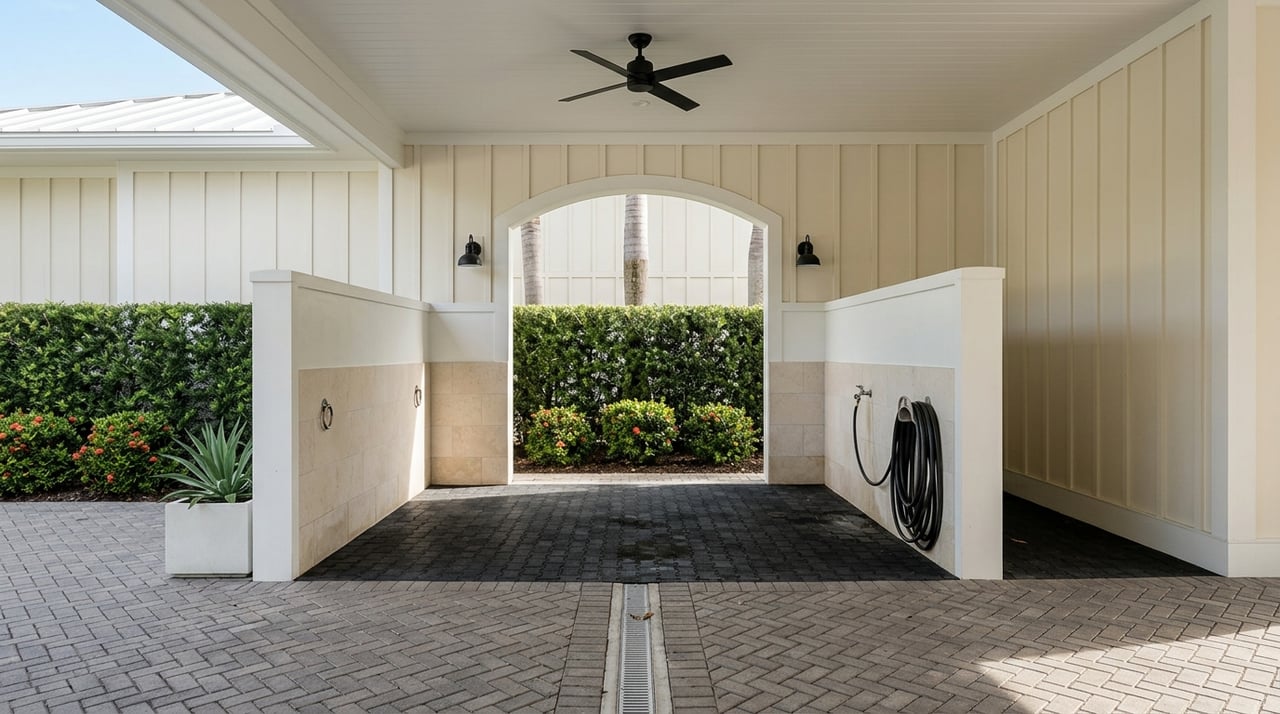
Moving horses to Wellington is not the same as moving them to a typical horse community. If you are planning a season, buying a farm, or setting up a longer-term base, your property choice needs to work for both your horses and your daily routine. The right setup can make arrival, turnout, training, and show logistics much smoother. Let’s dive in.
Why Wellington’s preserve matters
Wellington’s equestrian core is known as the Equestrian Preserve Area, or EPA, and it is regulated by the Equestrian Overlay Zoning District. According to the Village of Wellington, this area covers about 9,000 acres, is primarily in the western and southern parts of the village, and includes Wellington International, the National Polo Center, bridle trails, and hundreds of equestrian farms and facilities.
That scale matters when you are relocating horses. You are not just choosing a house with stalls. You are choosing how close you want to be to show venues, how easily trailers can move in and out, and whether your property supports the daily demands of horse care in Wellington’s climate.
Wellington also reports a large network of public and private bridle trails. The exact mileage varies by official page, but the key point is clear: trail access is a major part of the preserve’s appeal and often a major factor in property value and usability.
Property search starts with horse logistics
When buyers first look at Wellington equestrian homes, it is easy to focus on style, finishes, or the headline acreage. In practice, horse owners usually need to go deeper. The real test is whether the property works for turnout, barn flow, trailer access, footing management, and drainage.
You will often hear names like Saddle Trail Park, Paddock Park No. 2, Little Ranches, and Rustic Ranches. These are useful search labels, but they are not enough on their own. Two properties in the same area can function very differently depending on layout, access, and infrastructure.
What to evaluate before you buy
Before you commit to a property in Wellington’s preserve, look closely at features that affect day-to-day horse management:
- Barn size and stall layout
- Arena space and footing needs
- Turnout design and paddock configuration
- Trailer parking and truck access
- Proximity to bridle trails or show grounds
- Drainage planning across paddocks, rings, and service areas
- Ventilation and shade for hot weather
- Space for compliant manure handling
For competitive riders, quick access to Wellington International may lead the search. For full-time owners, the better question may be whether the farm can handle Florida weather and year-round wear without creating constant maintenance problems.
Shipping horses into Florida
If your horses are coming from another state, paperwork should be one of the first things you organize. Florida requires horses imported into the state, or moving within the state, to have a negative Equine Infectious Anemia test, commonly called a Coggins, within the previous 12 months.
For interstate movement, horses also generally need individual identification and a Certificate of Veterinary Inspection. Florida may require entry permits for certain shipments, including horses coming from states with vesicular stomatitis cases and horses moving from certain Texas counties with equine piroplasmosis testing requirements.
Because entry rules can change based on current disease conditions, it is smart to confirm Florida’s current requirements before the horse leaves its origin. That extra step can help you avoid delays at exactly the time you want the move to go smoothly.
Digital paperwork can help seasonal owners
Florida’s State Veterinarian’s Office accepts approved electronic health certificates and electronic Coggins documentation through accepted platforms. If your veterinarian uses compatible software, part of the process can be handled digitally.
That can be especially helpful if you are coordinating a move from out of state while also arranging housing, feed delivery, staffing, or a temporary stall setup. It does not remove the need for planning, but it can make the process more efficient.
Plan a smart arrival and quarantine routine
In a high-traffic equestrian market like Wellington, biosecurity deserves real attention. The American Association of Equine Practitioners recommends keeping new horses separate for two weeks, using dedicated equipment, checking temperatures twice daily, minimizing contact with resident horses, and handling newly arrived horses last during daily chores.
This matters even more if your horses will be at a busy training barn, a show property, or a farm with frequent horse movement. A simple quarantine setup can help protect both new arrivals and resident horses while everyone settles in.
Records to keep with the horse
When your horse ships, health records should travel with it. That includes vaccination and health-maintenance records, which can be important for boarding, training, and general management decisions after arrival.
If a horse is arriving from overseas, post-release evaluation and appropriate vaccination after USDA quarantine may also be part of the plan. For international owners coming to Wellington, that is one more reason to coordinate the move well in advance.
Adapting horses to Wellington’s climate
Wellington’s weather is one of the biggest factors shaping equestrian property needs. NOAA climate normals for nearby West Palm Beach show an annual mean temperature of 75.8 degrees and annual precipitation of 61.75 inches, with especially warm and wet summer months.
That combination affects everything from turnout conditions to recovery after exercise. It also helps explain why drainage, ventilation, and shade are not optional details in Wellington. They are part of what makes a property truly functional for horses.
UF/IFAS notes that Florida’s heat and humidity can raise the risk of heat stress, dehydration, and anhidrosis, and can make post-exercise cooling more difficult. Their guidance includes shade, fans, continuous access to clean water, cooling with water cooler than the horse’s body temperature, and riding early or late during hotter months.
Help your horse acclimate gradually
A newly arrived horse may need time to adjust to Florida humidity. It often makes sense to reduce work intensity at first, monitor recovery closely, and watch for signs such as poor sweating or unusually slow cooling.
This is especially important for horses coming from drier or cooler regions. The move itself can be stressful, and the climate change adds another layer that should not be rushed.
Drainage and footing are major buying factors
In Wellington, rain is not an abstract concern. Summer precipitation normals above 8 inches in June and August help explain why local horse owners pay close attention to drainage and dependable footing.
The Village of Wellington says its equestrian trail program includes footing, crossings, and drainage improvements designed to help prevent flooding in the equestrian community. On private property, that same mindset should carry over to ring design, paddock use, and the movement of water across the farm.
Ask practical questions during showings
When you tour a property, pay attention to what happens after heavy rain, not just how the farm looks on a sunny day. Questions worth asking include:
- Where does water collect?
- How quickly do paddocks dry out?
- Is the arena usable after storms?
- How does the service area hold up under truck and trailer traffic?
- Does the layout protect stalls, feed, and equipment from wet conditions?
A beautiful farm that struggles with drainage can become expensive and frustrating very quickly.
Don’t overlook manure and stormwater rules
Wellington’s rules also affect how an equestrian property functions behind the scenes. The village says manure bins must be containerized and covered, sized to the number of horses and manure volume, and designed so stormwater does not discharge waste into adjacent bodies of water.
That means your property choice should support compliant waste handling, not just attractive barn presentation. If you are comparing properties, storage and service areas deserve as much attention as the house, barn aisle, or rider lounge.
Seasonal base or full-time farm?
Many buyers come to Wellington for the winter circuit, but Wellington’s equestrian calendar extends beyond one short season. Wellington International says the Winter Equestrian Festival runs from January through March, while the broader calendar continues from November through April and again from May through October at Equestrian Village.
That makes Wellington a year-round horse market. Your ideal property may look different depending on whether you want a seasonal show base or a full-time operating farm.
Seasonal stabling priorities
If you are here mainly for circuit or a concentrated competition schedule, your priorities may include:
- Fast access to show grounds
- Efficient horse shipping logistics
- A clean quarantine area
- Manageable short-term staffing and service flow
- Easy in-and-out trailer movement
Year-round ownership priorities
If you plan to live in Wellington longer term, the property usually needs stronger daily infrastructure. That may include:
- Ventilation and shade for hot months
- Reliable drainage and durable turnout areas
- Fly control and waste-management planning
- Consistent farrier and care access
- A layout that supports regular maintenance
UF/IFAS also notes that Florida can support nearly year-round pasture growth, but when stocking rises above one horse per acre, pasture usually becomes more of an exercise area than a primary feed source. For many year-round owners, that makes turnout design and farm management more important than the simple idea of having grass.
Hoof care and rainy-season management
Warm, wet conditions can also affect hoof health. UF/IFAS notes that Florida conditions can promote issues such as thrush and white line disease, and recommends keeping the environment clean and dry along with regular farrier care.
For many horses, farrier visits every 5 to 8 weeks may be appropriate depending on workload and hoof condition. When you are evaluating a Wellington property, it helps to think about whether the setup makes clean, dry management realistic during the rainy season.
What expert local guidance adds
Relocating horses to Wellington is both a real estate decision and a management decision. You need a property that matches your riding goals, your schedule, and the practical needs of horse care in a warm, wet climate.
That is where local, equestrian-focused guidance becomes valuable. A knowledgeable advisor can help you compare not just addresses and square footage, but also barn flow, trail access, drainage logic, show proximity, and whether the property supports the way you actually live with horses.
If you are planning a move to Wellington’s equestrian preserve, Kirsten Kopp Real Estate, LLC can help you evaluate farms, estates, seasonal options, and discreet opportunities with the level of detail this market demands.
FAQs
What is Wellington’s Equestrian Preserve Area?
- The Equestrian Preserve Area is Wellington’s equestrian-focused area regulated by the Equestrian Overlay Zoning District, covering about 9,000 acres and including show venues, trails, farms, and equestrian facilities.
What paperwork do horses need to enter Florida?
- Horses imported into Florida must have a negative EIA, or Coggins, test within the previous 12 months, and interstate moves generally also require individual identification and a Certificate of Veterinary Inspection.
What should buyers look for in Wellington equestrian properties?
- Buyers should evaluate turnout, barn layout, trailer access, drainage, manure-handling space, ventilation, shade, and proximity to trails or show grounds based on how they plan to use the property.
Why is drainage so important for Wellington horse farms?
- Wellington has a warm, wet climate with significant summer rainfall, so good drainage helps protect footing, paddocks, service areas, and overall horse management after storms.
How should horses acclimate after arriving in Wellington?
- Horses should be given time to adjust to Florida heat and humidity, with lighter initial workloads, close monitoring of recovery and sweating, access to shade and water, and a thoughtful quarantine routine when appropriate.
Is Wellington only a winter equestrian market?
- No. Wellington has a major winter circuit, but the local competition calendar extends across much of the year, which is why some buyers choose seasonal setups while others look for full-time farm infrastructure.