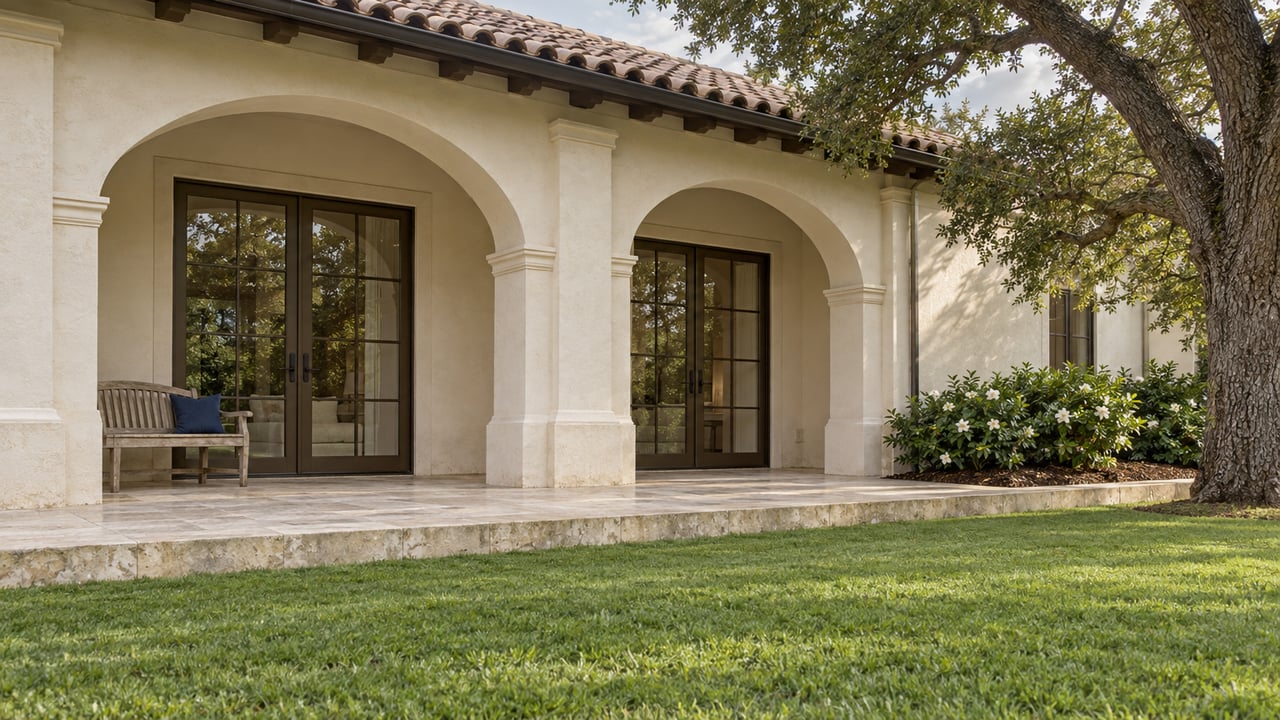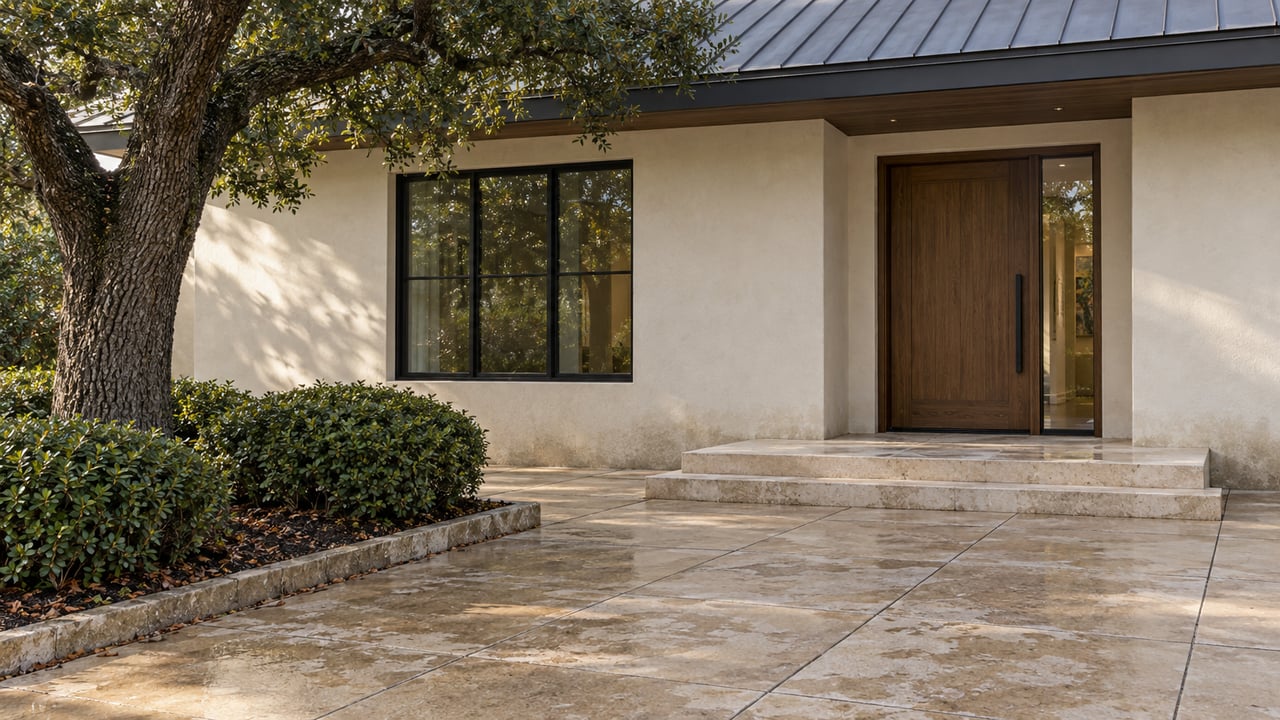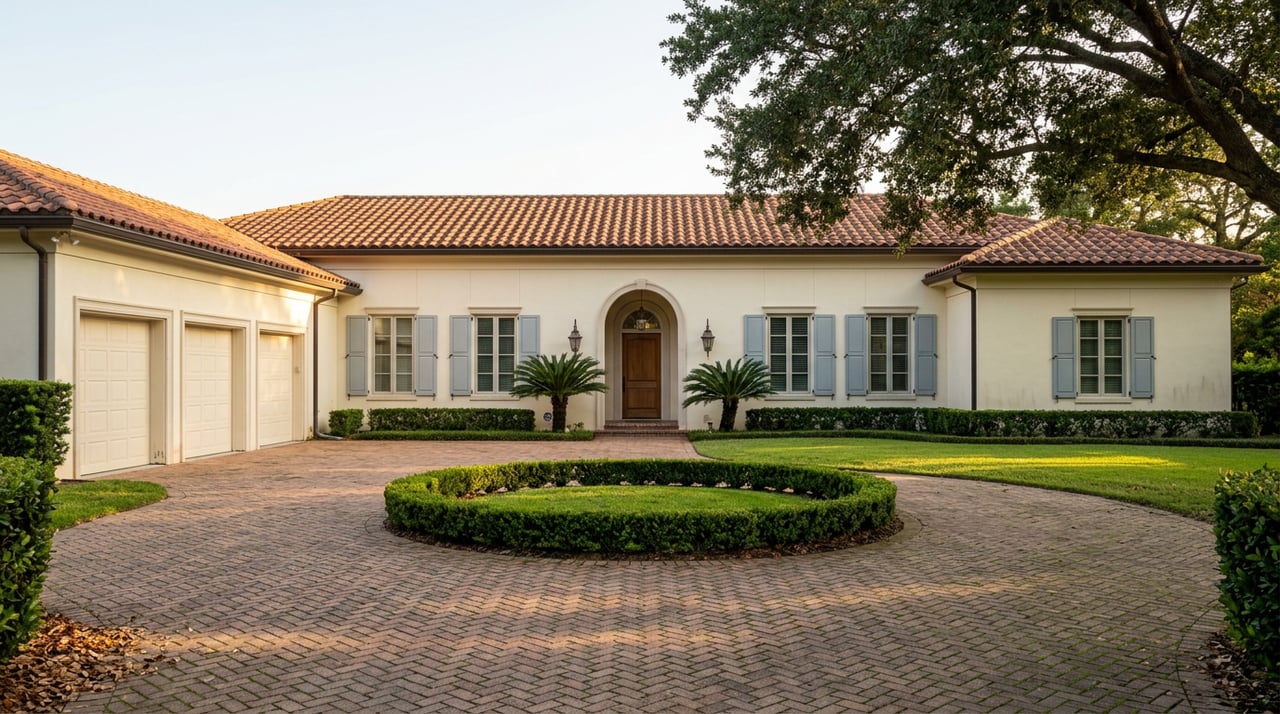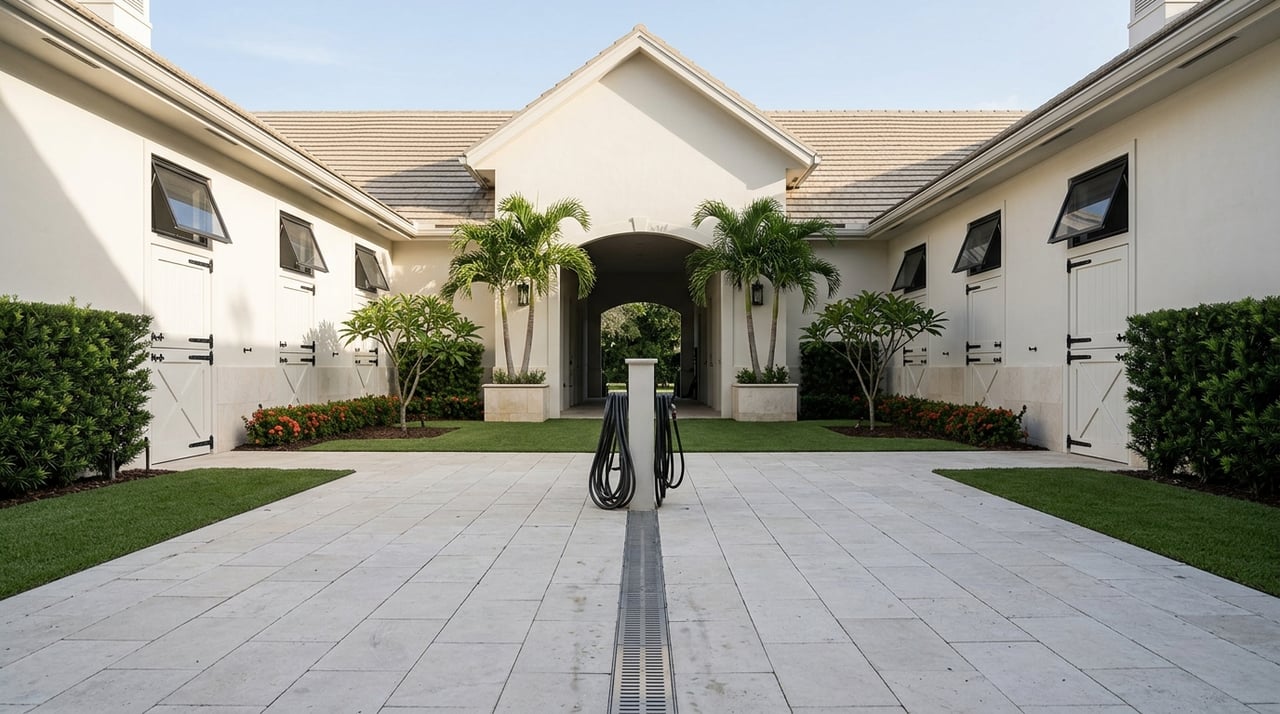
Selling a Palm Beach Point equestrian estate is not the same as listing a luxury home on a large lot. Buyers here are often looking at your property as both a residence and a working horse facility, and they tend to notice details that go far beyond paint colors and staging. If you want to position your farm well, protect value, and avoid avoidable surprises during due diligence, the right prep work matters. Let’s dive in.
Know what Palm Beach Point buyers see
Palm Beach Point is a gated equestrian community in Wellington spread across more than 800 acres, with a five-acre minimum lot size and close proximity to Wellington International. In a market like this, your buyer may be evaluating the property through the lens of daily horse care, training flow, and show-season convenience as much as residential comfort.
That matters because Wellington’s equestrian calendar shapes buyer behavior. Wellington International’s competition season runs from November through April, with the Winter Equestrian Festival taking place from January through March. If your property is going to market, it should feel ready for that audience, not presented like a generic suburban luxury listing.
Focus on function first
When serious equestrian buyers tour a property, they often start with the systems that affect horse health and day-to-day usability. That includes turnout areas, drainage, stall dimensions, aisle width, barn airflow, and arena footing. Beautiful finishes can help, but they rarely make up for weak infrastructure.
Barn layout is one of the first places buyers look. Guidance cited in the research shows that a 10-by-10 stall is considered the absolute minimum, while 10-by-12 or 12-by-12 is preferred. Barn aisles should generally be at least 10 to 12 feet wide, with 12 to 16 feet preferred, and ventilation should allow unrestricted airflow with ridge ventilation to help reduce moisture issues.
If your barn already meets those expectations, make that easy to see. If it does not, your preparation strategy should focus on presentation, maintenance, and documentation so buyers can understand how the facility functions.
Barn presentation matters
Before photos, video, or showings, make the barn read as organized and operational. Clear aisles, tidy tack and feed spaces, visible stall fronts, and clean grooming areas all help reinforce the feeling of a well-run facility.
This is especially important for video-first marketing, where buyers may form their first impression remotely. A polished barn with visible airflow, order, and usability gives buyers more confidence than cosmetic upgrades that do not improve function.
Address drainage before anything cosmetic
In Wellington’s equestrian environment, drainage is often one of the most important pre-listing issues to address. Mud, standing water, and compacted high-traffic areas can quickly signal deferred maintenance to a knowledgeable buyer.
Research cited here notes that hoof traffic naturally creates compaction and mud, and that feeding, storage, and shelter areas perform better when placed on higher ground and supported by permanent drainage solutions. High-traffic pads, gutters, ditches, and swales can all help move water away from active work areas.
If your property has low spots, gate-area mud, wet paddock edges, or soggy service lanes, solving those issues can do more for marketability than another interior refresh. In a premium equestrian sale, buyers tend to value a property that appears usable today, not one that comes with a list of site-work questions.
Where drainage improvements help most
The highest-impact areas are usually the ones buyers walk first and remember longest:
- Barn entrances and aisle thresholds
- Wash rack and grooming areas
- Paddock gates and turnouts
- Feed and hay delivery zones
- Arena perimeters and access lanes
- Manure and service areas
A dry, stable property simply shows better. It also suggests that the farm has been maintained with long-term performance in mind.
Make the arena look professionally maintained
Arena presentation deserves its own checklist. Buyers often understand that footing is only as good as the base and sub-base, and that footing changes over time with use. A freshly dragged surface may look neat at first glance, but if the base is soft or drainage is poor, experienced buyers will notice.
The goal before listing is not just to make the arena look clean. The goal is to make it appear even, dry, and professionally conditioned. If the footing has broken down or the arena has not been maintained consistently, it may be worth addressing that before launch so the property feels turnkey.
Arena prep checklist
Use your pre-listing walk-through to review:
- Surface consistency across the full arena
- Drainage performance after rain or irrigation
- Edge conditions and entrances
- Visible rutting, compaction, or uneven areas
- Overall presentation in drone footage and ground-level video
Because equestrian estates are often marketed visually to seasonal and remote buyers, the arena has to hold up both in person and on screen.
Repair visible fences and walls
Fences and walls are part of the first impression, especially on a Palm Beach Point property where perimeter presentation and paddock layout are highly visible. Wellington requires fences and walls to be kept in good order, with painted surfaces free of fading, staining, and peeling.
Just as important, Wellington states that repairs or replacement affecting more than 20 percent of a fence or wall section require a building permit, and larger replacements must comply with land-development rules. That means fence work should not be treated as a last-minute cosmetic project without checking whether approvals are needed.
A clean, orderly fence line often has an outsized effect on how a buyer reads the whole farm. In many cases, freshening the perimeter does more for the property’s overall impression than another indoor decorative update.
Organize permits and approvals early
One of the most valuable things you can do before listing is clean up your property file. In Wellington, building permits are processed electronically through ProjectDox, and the village’s forms include items such as an Agricultural Verification Packet, a Stable and Manure Bin Packet, and an ARB Approved Fence Form.
That gives you a strong clue about what may come up in due diligence. If a buyer sees barns, fencing, manure areas, farm improvements, or other visible work, they may ask whether permits, approvals, and final inspections are complete.
Documents to gather before listing
Try to assemble a clear file that includes:
- Old permit cards
- Final inspections
- Certificates of occupancy or completion
- Fence approvals
- Stable-related approvals
- Any records that help explain past improvements
This matters even more because Palm Beach County’s permit search covers unincorporated properties only, while Wellington properties are handled through the village’s own system. Having your records ready can save time and reduce friction once the property is under contract.
Verify the agricultural classification story
If your parcel carries agricultural classification, do not assume that feature will automatically translate into a simple tax benefit for the next owner. Palm Beach County states that agricultural classification must reflect a bona fide commercial agricultural use, the application window runs from January 1 to March 1, and a new owner must reapply for the following year.
The county also notes that agricultural classification is not always a tax savings, especially on parcels with substantial structure value, because barns, arenas, and other agricultural structures can be recaptured into assessment. For sellers, that means the tax narrative should be verified before it becomes part of the marketing narrative.
In other words, accuracy matters. If agricultural classification applies, present it carefully and with current supporting information, rather than making broad assumptions about future taxes.
Be careful with new farm improvements
Some nonresidential farm buildings, farm fences, and farm signs on bona fide agricultural land may be exempt from the Florida Building Code and local code or fee requirements, except for floodplain rules. But that does not mean every improvement can be added without review.
Palm Beach County makes clear that this exemption should be verified before work begins, and anything in a FEMA flood zone still has to comply with flood regulations. If you are considering last-minute upgrades before listing, it is wise to confirm what actually applies to your property before starting construction.
Time your sale around the show season
A Palm Beach Point listing should be timed with the equestrian market in mind. Wellington International’s competition calendar runs from November through April, and the Winter Equestrian Festival takes place from January through March. Those months bring equestrian buyers, trainers, and decision-makers to Wellington.
For many sellers, that means the property benefits from being photo-ready and market-ready before the winter show season begins or early in the season while that audience is active in town. Timing alone does not sell a farm, but timing can improve visibility with the right buyer pool.
If your property has a tenant
Lease timing should be part of your plan from the start. Wellington requires property owners who lease residential dwelling units for any duration to obtain a Business Tax Receipt, complete the application before renting, and comply with local zoning review. Short-term or vacation rentals also need a separate special-use permit, and that permit is not transferable.
If the property is occupied under a month-to-month or other tenancy without a specific duration, Florida law requires written notice of at least 30 days before the end of the monthly period. Sellers should line up that notice window with their expected closing and possession timeline so showings, buyer expectations, and occupancy do not conflict.
Build a pre-listing plan that fits this market
The strongest sale prep plan for a Palm Beach Point equestrian estate is usually straightforward. Verify the permit file, confirm the tax and agricultural-classification details, address drainage and fence issues first, and make sure the barn and arena feel like an organized, well-maintained operating facility.
From there, your marketing should reflect how equestrian buyers actually shop in Wellington. That means presenting the property with technical clarity, polished visuals, and timing that matches the winter circuit rather than relying on a standard luxury-home playbook.
When your estate is prepared with both lifestyle and functionality in mind, you give buyers a clearer story and give yourself a better chance at a smoother, stronger sale. If you’re preparing to sell in Palm Beach Point, Kirsten Kopp Real Estate, LLC can help you build a private, market-smart strategy tailored to Wellington’s equestrian buyer pool.
FAQs
What should sellers fix first before listing a Palm Beach Point equestrian estate?
- Start with drainage, arena condition, fence presentation, and barn organization, because buyers often evaluate function before cosmetic details.
What permit records matter when selling a Wellington equestrian property?
- Sellers should gather permit cards, final inspections, certificates of occupancy or completion, and any fence or stable approvals tied to visible property improvements.
What does agricultural classification mean for a Palm Beach Point sale?
- Palm Beach County says agricultural classification must reflect bona fide commercial agricultural use, is applied for within a set annual window, and must be reapplied for by a new owner the following year.
When is the best time to list a Palm Beach Point horse property?
- Many sellers benefit from being ready before the winter show season or early in it, since Wellington International’s competition calendar runs from November through April.
What should sellers know about tenants in a Wellington equestrian property sale?
- Wellington requires rental-related local review and permits, and Florida law requires at least 30 days’ written notice before the end of a monthly rental period for month-to-month tenancies.
Why does arena footing matter so much to equestrian buyers in Wellington?
- Buyers often understand that footing quality depends on the base, drainage, and maintenance history, so arena condition can shape both first impressions and value discussions.